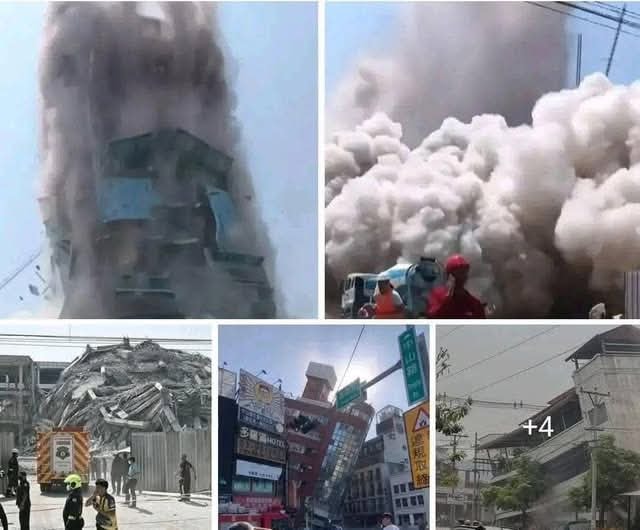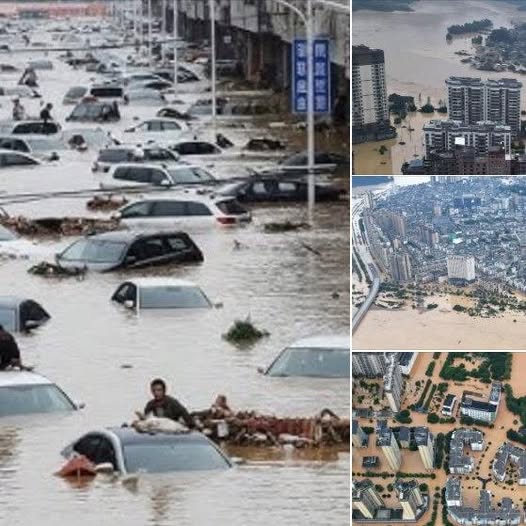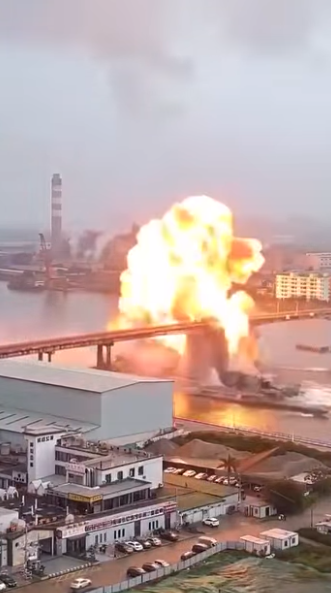
Five minutes ago, the unthinkable happened—a bridge that had connected two cities for decades was violently swallowed by raging waters. The river, swollen by days of relentless storms, battered the concrete pillars until they finally gave way. As the structure collapsed, several vehicles were caught mid-crossing, plunging straight into the torrent below. In the chaos, witnesses reported a deafening explosion as one car erupted into flames upon impact, sending smoke and fire into the night sky. Screams echoed as people ran for their lives, unable to believe what they had just seen. The once-sturdy landmark was reduced to shattered steel, broken concrete, and fire on the surface of the water. In an instant, a symbol of safety became the stage for unspeakable tragedy.
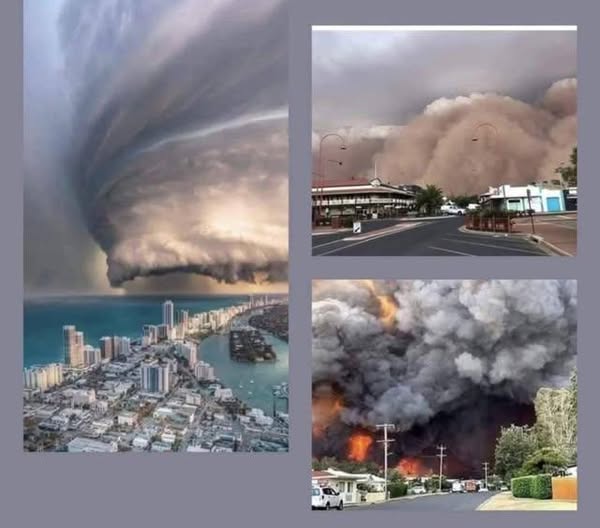
This bridge was more than just stone and metal—it was the daily path of workers, families, and children heading to school. Now, its sudden destruction has left families in anguish, desperately calling their loved ones who may have been on the road when disaster struck. Rescue teams rushed in, but the scene was like something out of a nightmare: burning cars floating downstream, twisted beams threatening to collapse further, and survivors clinging to debris. The air filled with smoke and the acrid stench of burning fuel, mixing with the cries of the injured. Authorities pleaded for calm while declaring a state of emergency, fearing even more collapses in the surrounding area. What was once a place of routine became an open wound in the heart of the community.
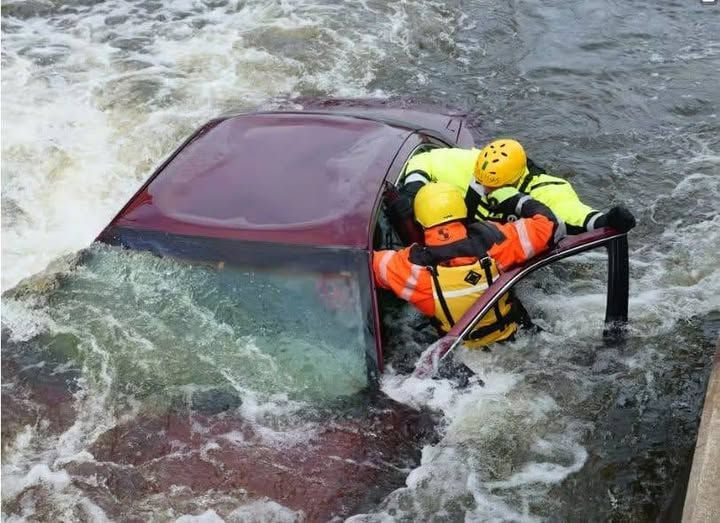
For the rescuers, the battle was overwhelming. Divers plunged into the churning waters, searching for survivors trapped in submerged cars, while helicopters hovered above, scanning the wreckage with spotlights. Each second mattered, but the danger of explosions and further collapse slowed their work. People on the riverbank prayed, clutching one another as more flames rose from the water’s surface. Families screamed the names of loved ones, hoping to hear a response, but the only answer was the roar of fire and the crashing waves. Every sound of twisting metal cut deeper into the hearts of those watching. The bridge had fallen, but the terror had only begun.
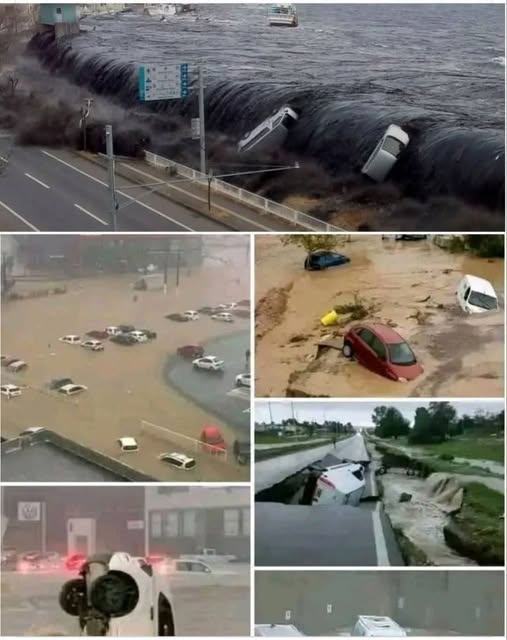
As dawn looms, the tragedy leaves behind not just rubble but questions that demand answers. How could a vital structure collapse so suddenly? Could this disaster have been prevented if warnings had been heeded? For grieving families, no explanation will heal the loss or erase the memory of cars swallowed by water and fire. But amid despair, there remains a fragile thread of hope—that some survivors may still be pulled from the wreckage, that this night of horror may yet yield a miracle. The bridge may be gone, but the scars carved into the community’s soul will endure long after the last flame dies.