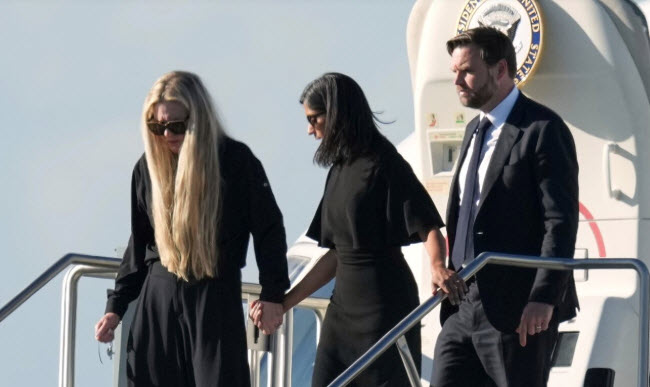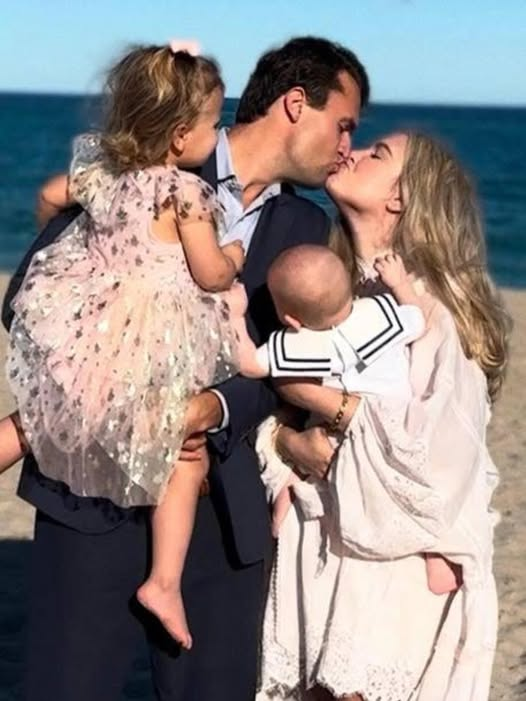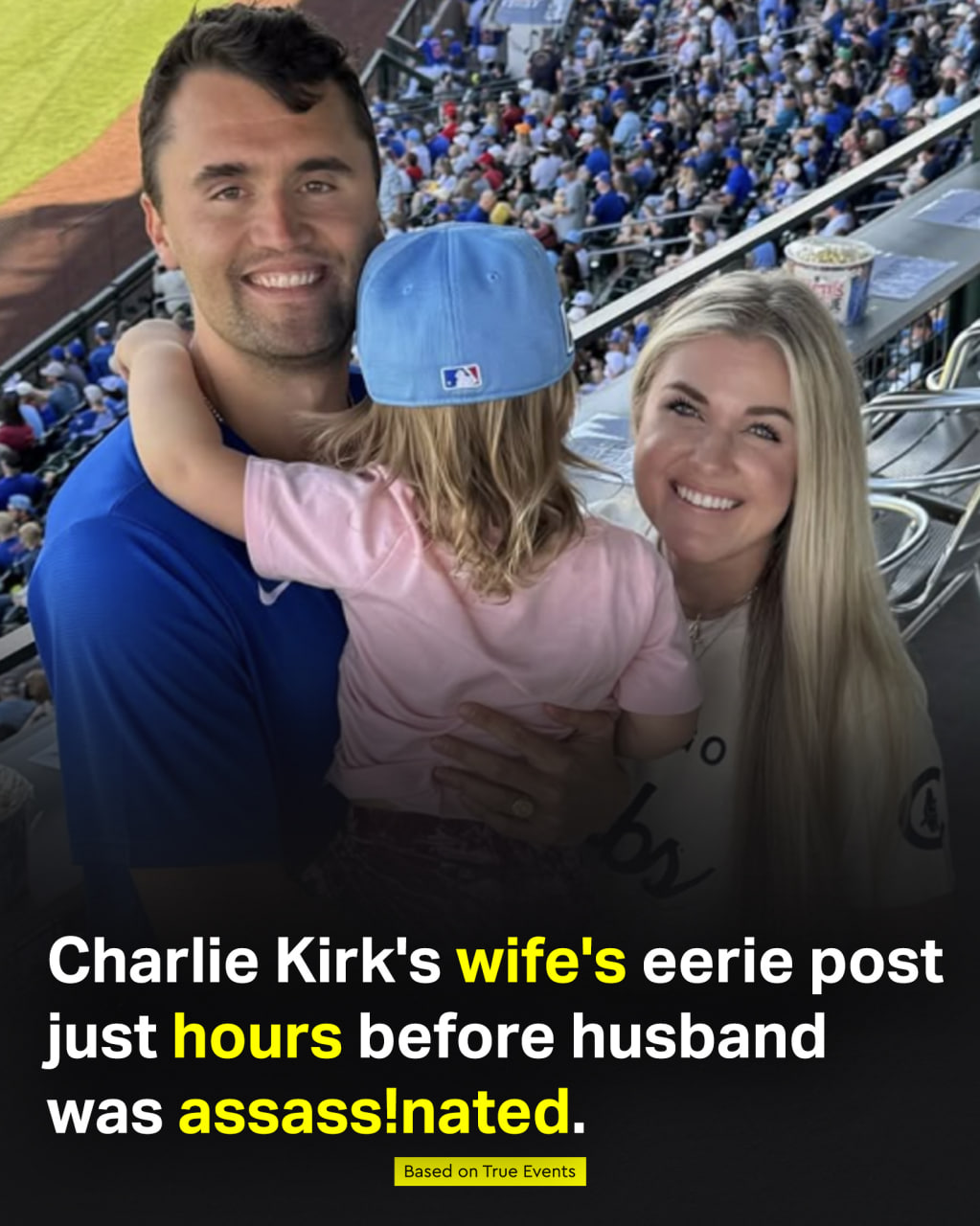
The sudden and violent death of Charlie Kirk, a well-known but deeply controversial American activist, has shaken both his supporters and critics. At only 31 years old, Kirk’s life was cut short on September 10, when a single gunsh*t fired from a nearby rooftop struck him while he was participating in a debate event at Utah Valley University. What made the tragedy even more devastating was the fact that his wife, Erika Lane Frantzve, and their two young children were present in the audience, forced to witness a moment that would forever alter the course of their lives.
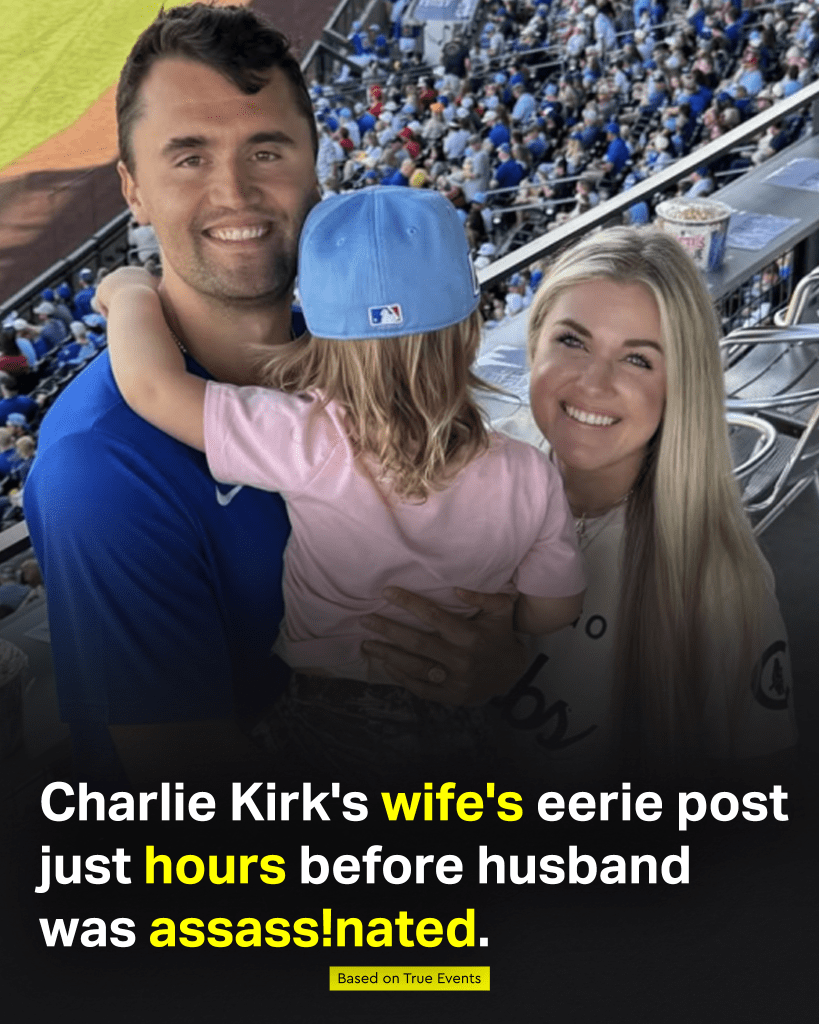
In the hours following his death, Erika shared a heartfelt message on social media. What might once have been read simply as words of encouragement and faith has now taken on a haunting new significance. Supporters and friends see her words in a new light—both as a declaration of strength in the face of unbearable loss and as a glimpse into the private resilience she must now summon to raise her children without her husband by her side. Thousands of condolences have poured in, showing how wide the impact of Kirk’s life and sudden passing has been.

Kirk first rose to national attention at just 18 years old when he co-founded Turning Point, an organization dedicated to spreading conservative ideals across college campuses in the United States. His sharp speaking style and willingness to confront progressive narratives made him both admired and criticized. For his fans, he was fearless in tackling topics that many avoided; for his opponents, he was a polarizing figure who thrived on confrontation. Over the years, he engaged in heated debates on sensitive issues such as transgender identity, climate change, and family values, always standing firmly by his views, regardless of the backlash.
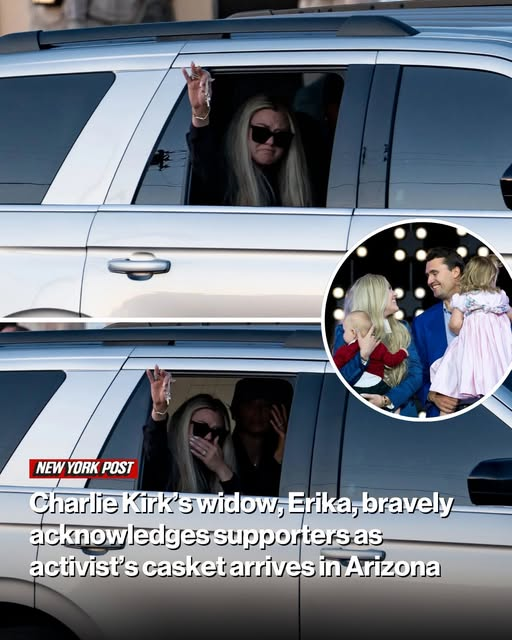
While his career drew headlines, it also came with risks. The attack at Utah Valley University has reignited concerns about the safety of outspoken public figures and the climate of hostility that has increasingly colored American political discourse. Witnesses described scenes of panic and confusion after the sh*t rang out, as security rushed to protect the audience and Erika tried to shield her children. It was a moment that underscored the fragility of public life, where words and ideas should spark dialogue—but tragically, in this case, ended in violence.
Investigations into the shooting are ongoing, with law enforcement officials analyzing evidence and searching for the shooter. Speculation about motive has spread quickly online, but authorities have urged the public to wait for verified information rather than feeding into rumors. Still, the incident has sparked national debate about whether rising tensions in political discourse are making violence more likely.
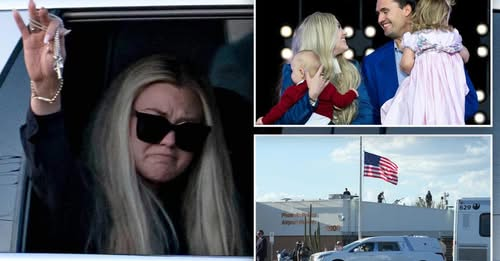
Kirk’s death has left behind a complicated legacy. To his supporters, he embodied conviction and a willingness to speak the truth as he saw it, regardless of cost. To his detractors, he represented division and controversy. But no matter one’s opinion of his politics, his death is being mourned as a senseless act of violence that leaves behind a grieving wife, two young children, and a fractured community.
For Erika, the days ahead will be defined by unimaginable grief, but also by the challenge of keeping alive the memory of a man who was loved by many and opposed by many more. Her message of strength in the aftermath of his death suggests that while her family has been shattered, she will continue to carry forward the resilience that marked both her and her husband’s public lives.

Charlie Kirk’s story is now not only about a young activist who stirred national debate but also about the dangers faced by those who dare to speak loudly in an era of deep polarization. His passing has become a moment of reflection for the country—reminding all that behind the controversies and arguments are human lives, families, and tragedies that cut far deeper than politics.