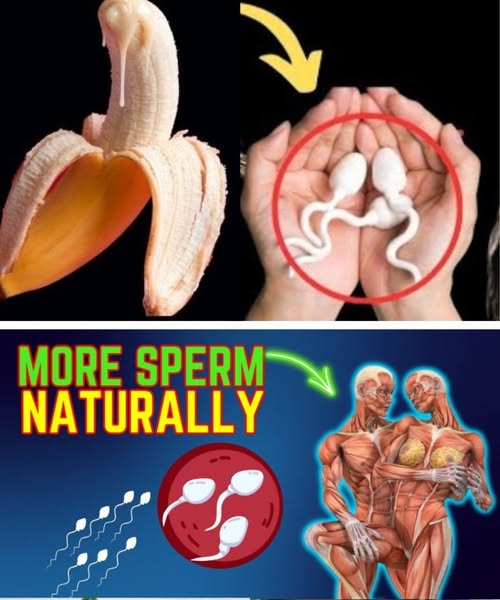
As men enter middle and older age, the body naturally undergoes various physiological changes. Testosterone levels gradually decline, leading to changes in libido, erectile function, and stamina during intimacy. This is a normal biological process, but the rate of change can vary depending on lifestyle, diet, and overall health.

Beyond hormones, cardiovascular health plays a vital role in maintaining sexual function. Conditions such as high blood pressure, diabetes, or atherosclerosis can reduce blood flow to the genital area, affecting erection quality. Regular physical activity and a balanced diet can significantly improve this condition.

Psychological factors are also crucial. Stress, anxiety, or the pressure of aging can make men feel self-conscious and reduce natural desire. Open communication with a partner and seeking help from a urologist or sexual health specialist can relieve pressure and provide suitable solutions.
Ultimately, sexual health in older men is not just a matter of the body but a combination of mental well-being, lifestyle habits, and emotional connection. Self-care, maintaining relationship communication, and regular check-ups can help men enjoy a fulfilling sex life at any age.