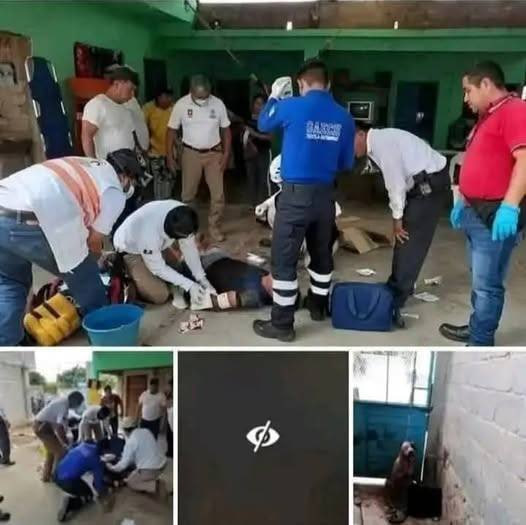
The case shocked an entire community when it was revealed that a woman had stabbed her husband to death after discovering he was abusing her. According to initial reports, the abuse had been going on for years, hidden behind closed doors, while neighbors thought the couple lived a normal life. The breaking point came when she allegedly found undeniable proof of his violent behavior and long-term mistreatment. Authorities say the woman acted in a moment of desperation, feeling cornered and powerless. Now, the case is under investigation to determine whether her actions were a response to self-defense or an impulsive crime. The story raises difficult questions about justice, survival, and the silent suffering many endure.
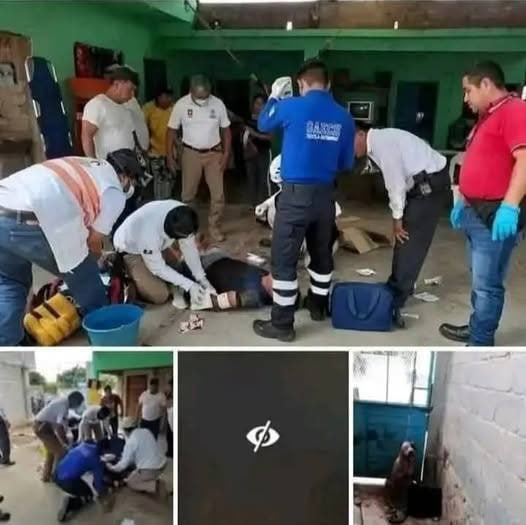
Behind the headlines lies a deeper issue that often remains unseen: domestic abuse. Specialists explain that victims of such violence may feel trapped for years, unable to seek help due to fear, shame, or dependence. In many cases, they endure physical and emotional pain in silence until a breaking point is reached. The woman in this case represents countless individuals who live with trauma behind closed doors. Her reaction, while extreme, reflects the desperation that abuse can cause. Experts argue that society needs to provide more resources, safe shelters, and awareness programs to prevent tragedies like this. Otherwise, cycles of violence continue to repeat.

Community members expressed mixed reactions when the story spread. Some felt sympathy for the woman, understanding that she may have seen no way out. Others worried that such actions set a dangerous precedent, where victims take justice into their own hands. Legal experts emphasize that every detail must be carefully reviewed before conclusions are made. What remains clear is that both lives were destroyed in the process—his through death, and hers through the consequences that will follow. The tragedy serves as a reminder that unresolved abuse can escalate into irreversible outcomes. Such cases highlight the urgent need for prevention rather than reaction.

In the end, the incident shows how hidden abuse can erupt into public tragedy. A private nightmare suddenly became a national discussion about violence, gender, and justice. Whether the courts see her as a victim or as an offender, the story cannot erase the years of pain that led to this moment. Society must ask itself why so many victims remain unheard until it is too late. Only by breaking the silence and creating real support systems can similar stories be avoided. The case is not only about a crime—it is about the cost of ignoring abuse until desperation takes control.